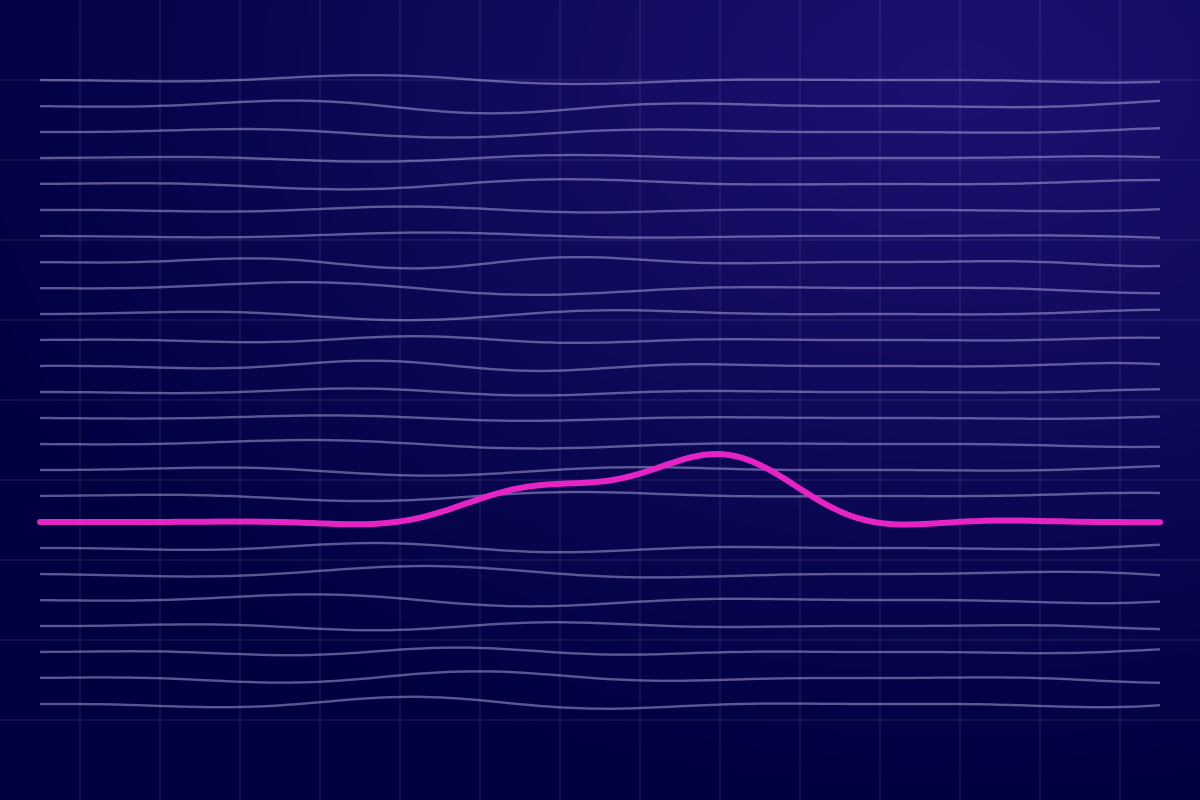
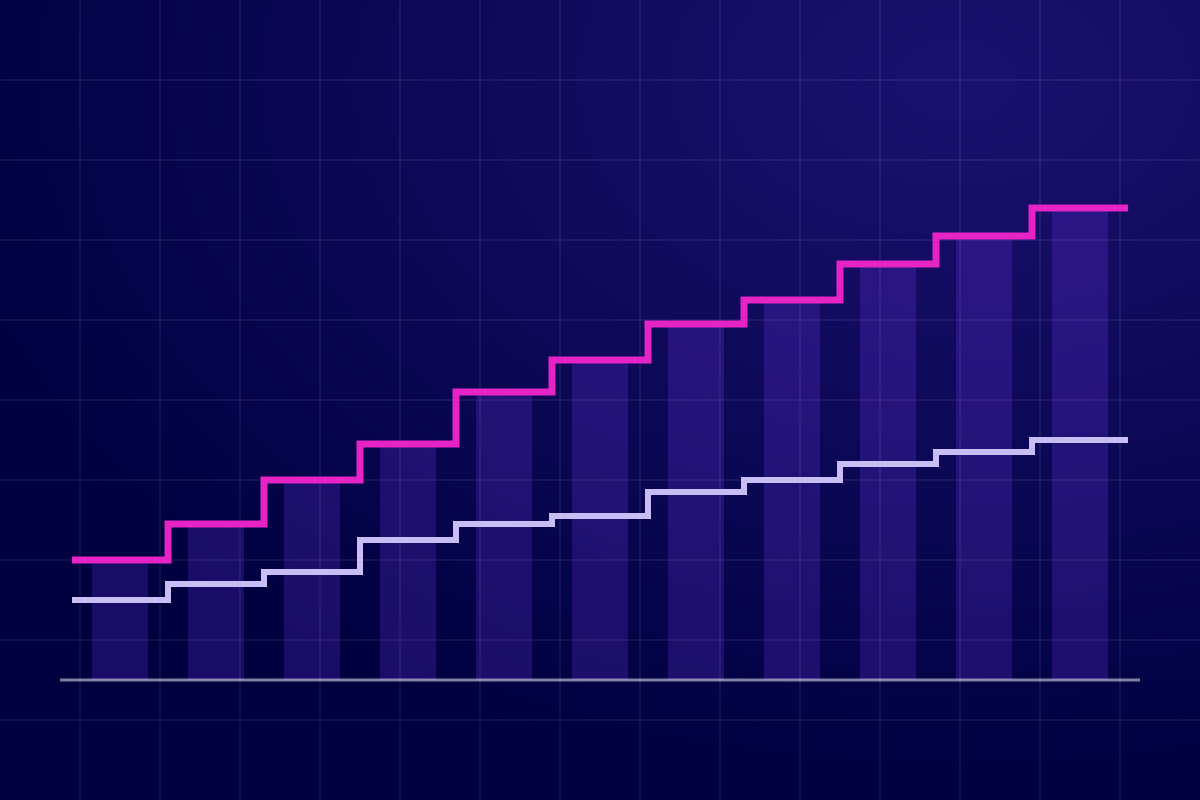
Expected 30-day readmission cost per enrolled patient
Study note. 408 adults discharged home after a cardiovascular admission, NorthShore University HealthSystem, February 2021 to February 2022. Costs are 30-day readmission hospital charges, adjusted for age, gender, race, income, length of stay, and BMI.
The question
Readmissions are one of the most expensive events in a member’s year. Patients who leave the hospital after a cardiovascular admission are especially likely to come back. Much of the risk sits outside the hospital: anxiety and depression after a serious illness, trouble getting to appointments, no one to help at home.
NorthShore University HealthSystem asked a simple question. If a care team addresses these behavioral and life context factors in the first 30 days after discharge, does the cost of readmissions go down?
How the study worked
The trial ran at NorthShore from February 2021 to February 2022. Adults admitted with a cardiovascular diagnosis and a plan to go home were randomly assigned, one to one, to two groups:
- Usual care (215 patients). The standard discharge process.
- Behavioral and contextual support (193 patients). Four weekly sessions with a trained coach (registered nurses, clinical social workers, and psychologists) by phone, video, or chat. Coaches screened for depression and anxiety (PHQ-9 and GAD-7) and assessed life context. They then used motivational interviewing, patient activation, and practical help, such as transport, reminders, and medical equipment.
A NorthShore steering committee designed and led the study. An independent institute did the data management and the statistics. Laguna Health funded the trial and provided the coaching platform. Laguna had no role in the design, data collection, or analysis.
What it found
- Lower adjusted cost per patient. The expected 30-day readmission cost per enrolled patient was $8,094 in the intervention group and $9,892 with usual care (p = .01). That is 18% lower.
- A larger effect for engaged patients. 57% of the intervention group completed at least one coaching conversation. For these patients, the expected cost was $6,921 vs. $10,565 for usual care (p = .01), about 35% lower.
- Lower total cost. Total readmission charges were $1.1 million in the intervention group and $2.0 million with usual care. This total is not adjusted.
- Engagement mattered for readmission rates. Overall readmission rates did not differ between the groups (14.5% vs. 11.6%, p = .38). But engaged patients were readmitted far less often than patients who did not engage (9.1% vs. 21.7%, p = .02).
The authors suggest one reason for the cost result. Coached patients may seek care earlier in a setback, before they become very sick, so a readmission costs less.
What it means for health plans
The trial shows that the content of a care conversation matters. When a care team asks about mood, worry, and the practical barriers in a member’s life, and then acts on what it hears, the cost of the next admission goes down. Engagement is the lever: the members who took part did much better than the members who did not.
The study tested Laguna’s earlier virtual coaching service. Laguna’s AI products are built on the same idea: care managers do their best work when they can see the whole person, and every conversation should turn into action.